Is the Roman Baths Worth It? What You'll See and Who Should Skip It
Visit Roman Baths for £23.50-£26.50: here's what's included, who should skip it, and whether the admission price earns its keep.

Yes, for most visitors. Roman Baths admission runs £23.50 to £26.50 and already includes a 13-language audio guide, full museum access and spa water tasting. Families with toddlers or anyone with under an hour in Bath are the main exceptions.
 Roman Baths Entry Ticket with Audio Guide From $30.76 · Simplest way in, with an audio guide See dates
On this page 6 sections
Is it worth it to visit Roman Baths? For most people, yes: it’s one of the best-preserved Roman sites in northern Europe, the museum route is self-paced, and the audio guide you need is already in the ticket price. I’d weigh it against your own time and patience for steps more than against the price itself.
The numbers behind the ticket
Source:Roman Baths official siteIs the Roman Baths worth visiting?
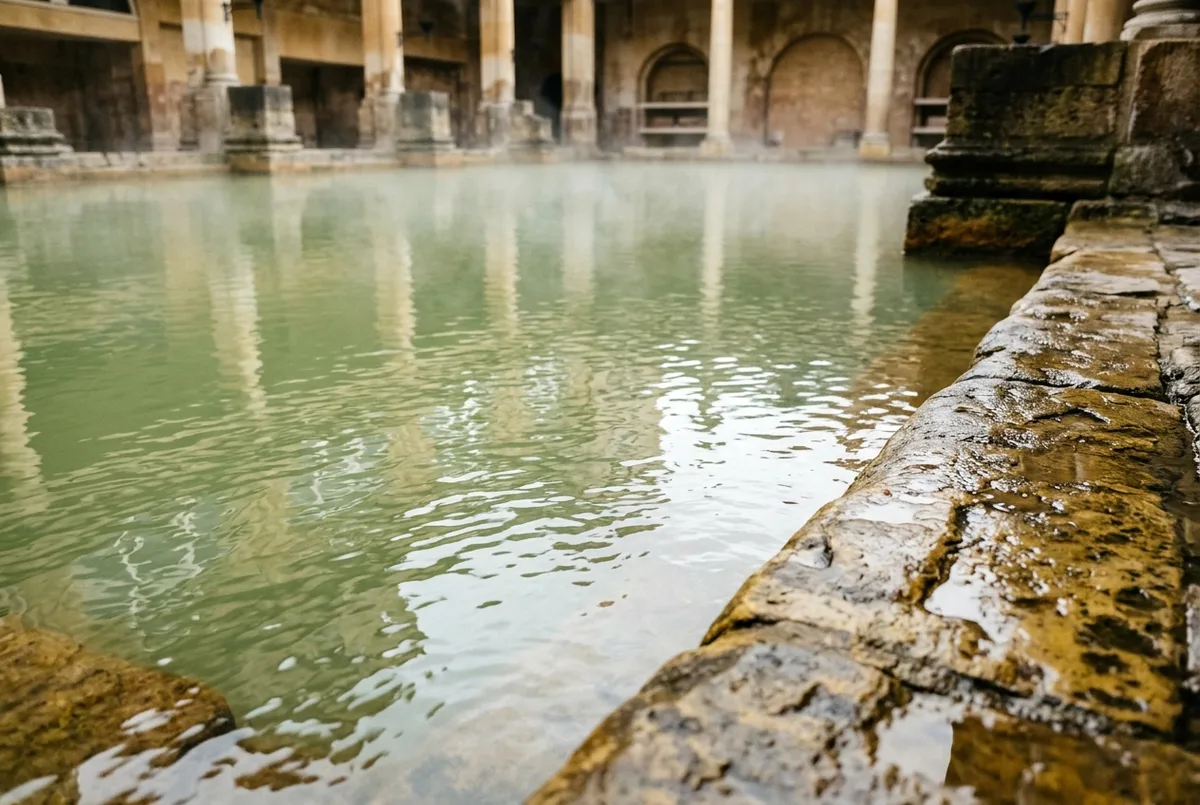
Yes, if history or architecture interest you at all. The site is a major tourist attraction that, together with the Grand Pump Room, draws more than 1 million visitors a year, and that scale reflects a genuinely rare thing: a 2,000-year-old bathing complex you can walk through at street level.
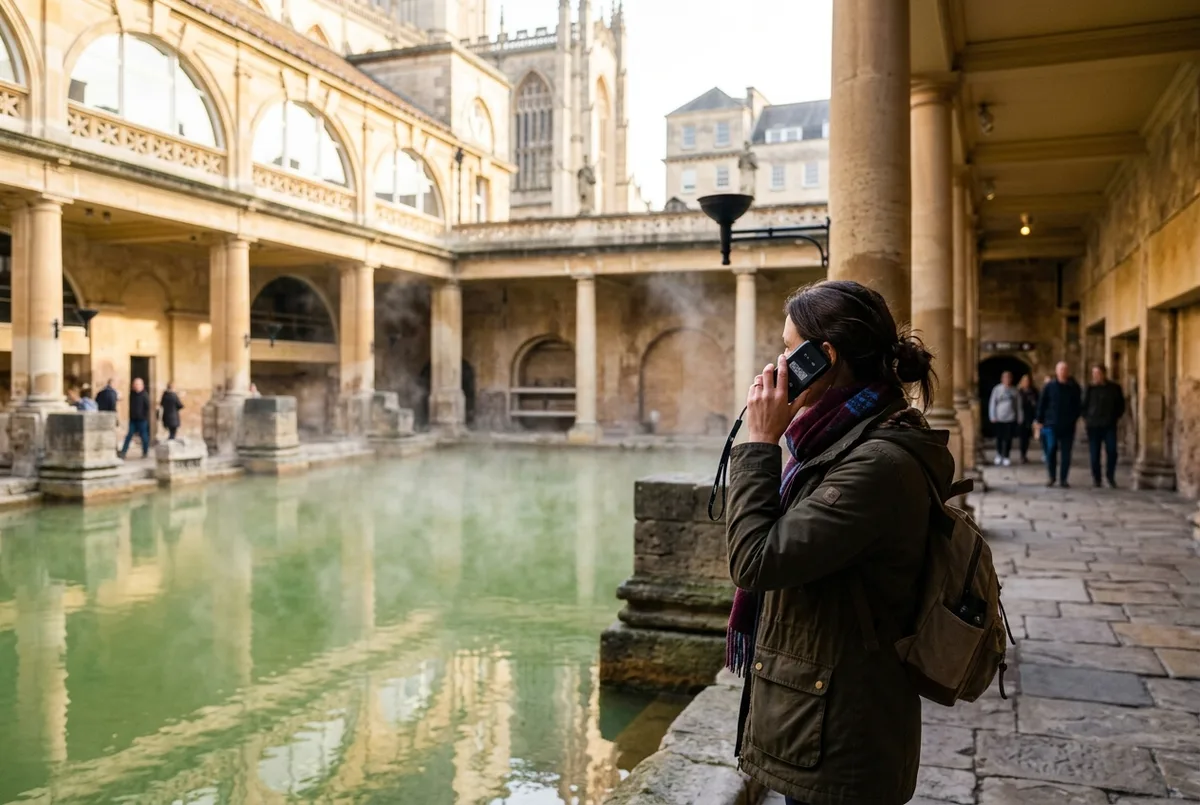
I wouldn’t go in expecting a quick photo stop. The museum alone rewards slow reading, and the Great Bath terrace is the kind of place worth standing still in for a minute. If you only have a loose afternoon in Bath and no particular interest in Roman history, you can skip it and not miss much; if you’re even mildly curious, it earns the detour.
How much does it cost to visit the Roman Baths?
Adult advance tickets are £23.50 on weekdays and £26.50 on weekends and bank holidays, and buying on the day costs £2 more either way. Booking ahead is the cheaper option by a small, consistent margin.
Children aged 6 to 18 pay £16.50 on weekdays and £19.50 at weekends, and a family ticket for two adults plus two to four children runs £59 on weekdays and £69 at weekends. A carer or companion joins for free, full-time students at Bath’s own universities get in free with ID, and UK visitors on Universal Credit, Pension Credit or ESA pay just £1.
| Ticket type | Weekday (advance) | Weekend/bank holiday (advance) |
|---|---|---|
| Adult (19+) | £23.50 | £26.50 |
| Child (6-18) | £16.50 | £19.50 |
| Family (2 adults + 2-4 children) | £59.00 | £69.00 |
| UK benefit recipients | £1.00 | £1.00 |
Figures are the official advance online prices; on-the-day tickets cost £2 more per person. If you’d rather see an exact current quote in your own currency alongside what’s included, the Roman Baths entry ticket page has a live price check.
What do you get included in your ticket?
More than the Great Bath alone. Every ticket already bundles a 13-language audio guide or a BSL handheld guide, full access to the museum and the whole bathing complex, and a free taste of the spa water at the drinking tap. A guided walking tour of the wider city, like the one described on the tour and audio guide page, is the only thing sold as an add-on.
That’s the strongest value argument for the ticket: you’re not paying extra to understand what you’re looking at, the way you would at sites where an audio guide costs a few pounds on top.
Who should skip the Roman Baths?
Say a family of two adults and two young children is weighing a £59-69 family ticket against a tight one-day Bath itinerary. The real question isn’t the price, it’s the steps: the museum and bathing complex sit six metres below street level, and official guidance asks visitors with young children to use a baby carrier rather than a pushchair, since pushchairs have to be left at reception. If your children are too young to walk a self-paced museum route happily, or you have under an hour before a train, this is the trip to skip or shorten, not the £10 difference between ticket tiers.
Anyone who specifically wants to get in the water should also look elsewhere: the baths themselves are a preserved monument, not a working pool, as what-is-inside-the-roman-baths and the can-you-swim page both cover.
Is the Roman Baths accessible for wheelchair users?
Yes, to a large extent. The site is 90% accessible to wheelchair users, with lifts reaching the mezzanine, lower museum, Great Bath and East Baths levels, and mobility scooters and stick-stools are explicitly welcomed. Because the building is six metres below ground and genuinely ancient, a small number of steps remain unavoidable even with the lifts in place.
If accessibility is a concern, I’d call ahead or check the official accessibility page for your specific mobility needs before booking, since the site’s age means no single ticket can promise a fully level route.
For opening hours and how long to allow inside, see the opening hours and best time page; for the history behind what you’re looking at, see the history pillar.
“We welcome mobility scooters, wheelchairs, stick-stools and other mobility aids.”
Roman Baths official site · source
Questions
Is it cheaper to book Roman Baths tickets online?
Yes. Advance online tickets are £2 cheaper per person than buying on the day at every tier, so booking ahead saves money even if your visit date is fixed.
Can you visit the Roman Baths for free?
Only in specific cases: full-time students at Bath’s universities with ID, and UK visitors on Universal Credit, Pension Credit or ESA who pay a nominal £1. There’s no general free admission.
How long do most visitors spend inside?
The entry ticket’s own itinerary recommends 90 minutes to 2 hours for a relaxed pace through the museum, Great Bath and the East and West Baths. Rushing it shorter skips most of the collection.
Is the Roman Baths worth it for young children?
It depends on their age and patience for a slow museum walk with steps. Older children who enjoy history tend to do well; toddlers and buggies struggle with the site’s steps and lift limits.