The Best Things to Do in Bath Besides the Roman Baths
Things to do in Bath: free Georgian streets, Thermae Bath Spa, Bath Abbey next door, museums and day trips, beyond the Roman Baths.

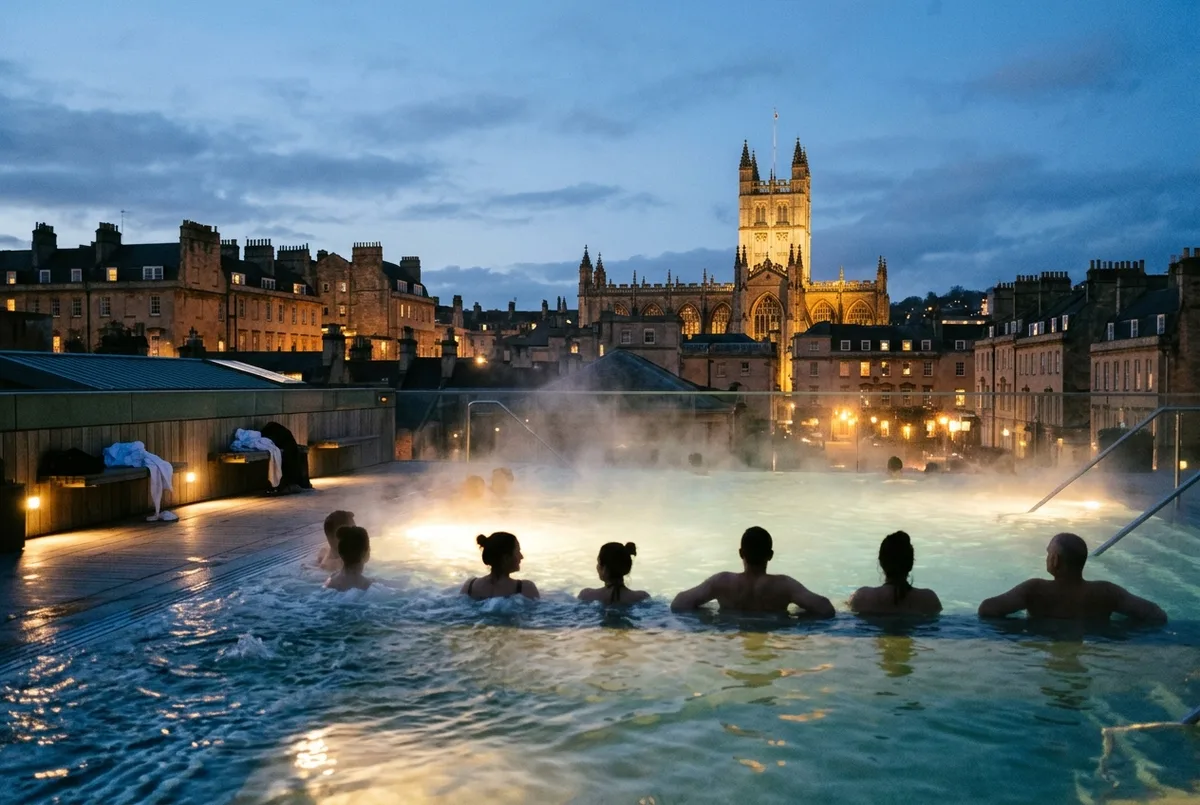
Beyond the Roman Baths, Bath's best draws are Bath Abbey next door, the free Georgian streets (the Royal Crescent, the Circus, Pulteney Bridge), and Thermae Bath Spa, an adults-only rooftop pool fed by the same hot springs.
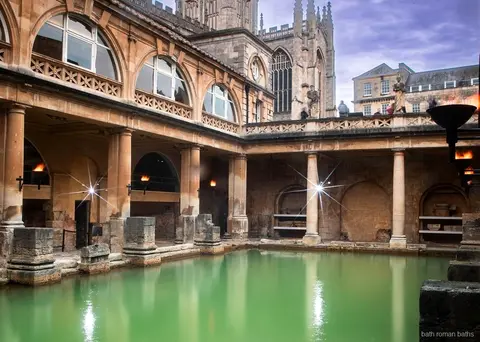 Roman Baths Entry Ticket with Audio Guide From $30.76 · Simplest way in, with an audio guide See dates
On this page 6 sections
Bath has plenty beyond the Roman Baths, and I would not treat the Baths as a full day on their own. Bath Abbey sits in the same square, the Georgian streets are free and close, and Thermae Bath Spa lets you actually get in the water the Baths only let you look at.
What should you do in Bath if you only have one day?
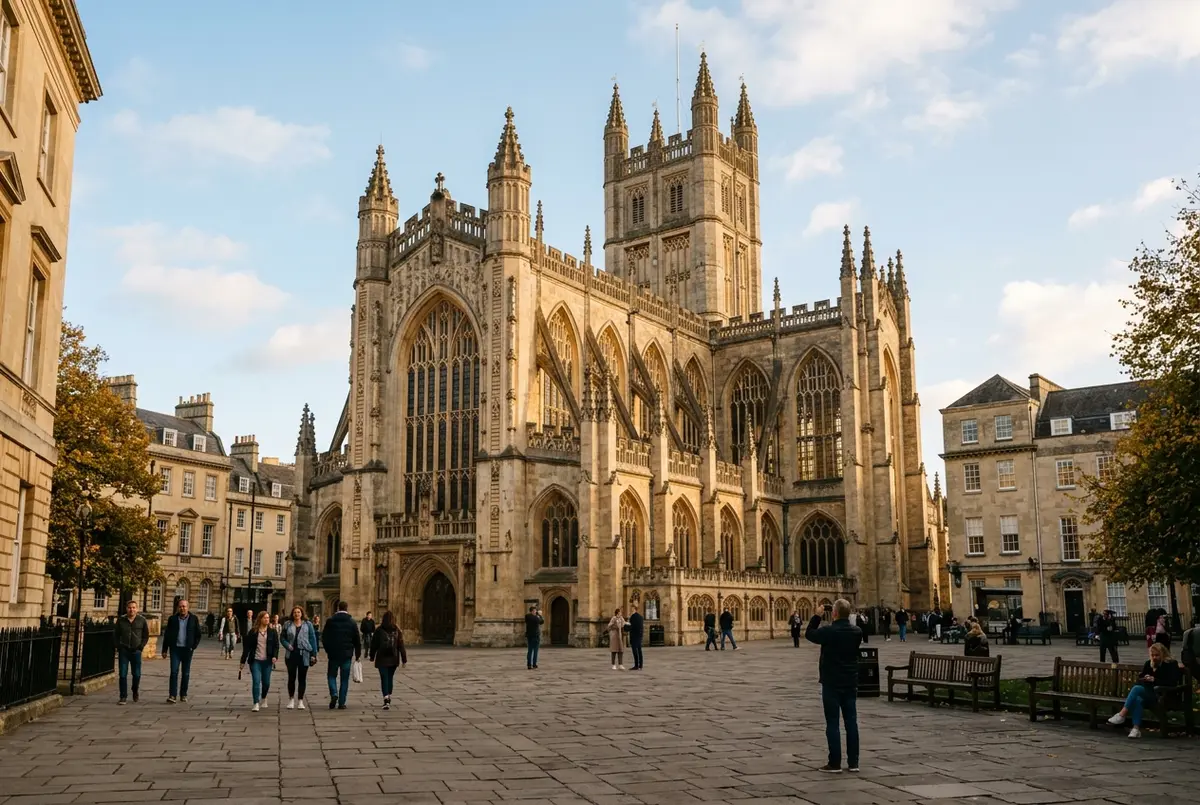
Pair the Roman Baths with whatever is right outside its door: Bath Abbey is next to the entrance and the Georgian streets, the Royal Crescent, the Circus, Pulteney Bridge, are all a short walk away, so a one-day visitor can cover the historic core on foot without adding transport time. Visit Bath’s own highlights list groups exactly these sights together as the city’s top draws.
Say a reader has a single afternoon after the Roman Baths: walking the few minutes to Bath Abbey, then the Circus and the Royal Crescent, taking the free architecture route over paying for a second museum, still leaves time for Pulteney Bridge before dinner.
The one page I’d read first if the Abbey specifically is on your list is Bath Abbey and the Roman Baths, since the two share a square and the order you visit them in actually matters.
Walking Bath's other sights
Open in Google MapsWhat’s free to see in Bath?
The Royal Crescent, the Circus and Pulteney Bridge cost nothing to see from the outside, and the Victoria Art Gallery’s permanent collection, including works by Gainsborough, has free entry, so a budget day can still take in Bath’s architecture and some art. Visit Bath states plainly that these landmarks cost nothing to see, which is worth knowing before assuming every Bath attraction needs a ticket.
Beyond the Roman Baths
Source:Visit Bath and Thermae Bath Spa“Landmarks like the Royal Crescent, the Circus and Pulteney Bridge cost nothing to see.”
Visit Bath, 2026 · source
Is Thermae Bath Spa worth it, and who is it for?
The rooftop pool and 360-degree views are the draw, but it is an adults-only spa, minimum age 16, 18 for treatments, with a 2-hour Thermae Welcome session priced from £44 on weekdays, so it suits adult travellers more than families and is worth booking ahead rather than walking in. Thermae Bath Spa’s own age policy requires proof of age at entry, and the site recommends advance booking since walk-in availability “cannot be guaranteed.” The New Royal Bath’s pools and Wellness Suite are open 09:00 to 21:30, with the water itself closing at 21:00, every day except Christmas Day, Boxing Day and New Year’s Day, so plan a visit well before closing time. For more on the hot spring water the spa and the Roman Baths share, see the hot spring behind the Roman Baths.
| Sight | Free? | Adds to your day |
|---|---|---|
| Royal Crescent, the Circus, Pulteney Bridge | Yes | A short walk, minutes |
| Victoria Art Gallery (permanent collection) | Yes | 30 to 60 minutes |
| No. 1 Royal Crescent / Holburne Museum | No | 1 to 1.5 hours each |
| Thermae Bath Spa | No, from £44 | A half day, minimum |
Which museums are worth adding to a Bath itinerary?
No. 1 Royal Crescent recreates Georgian domestic life inside one of the crescent’s own townhouses, and the Holburne Museum offers changing fine and decorative art exhibitions, so between them they add depth beyond the Roman era that the Baths themselves cover. Visit Bath names both museums among its own top highlights, alongside the Victoria Art Gallery.
Is Bath a good base for day trips to Stonehenge or the Cotswolds?
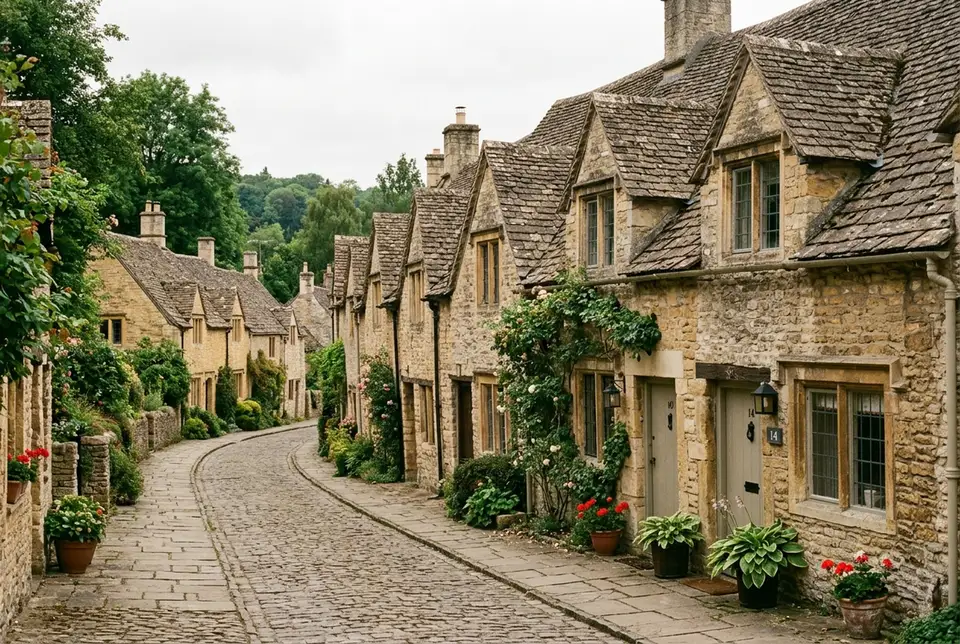
Yes: Bath’s own tourism board lists Stonehenge and the Cotswold villages of Lacock and Castle Combe as nearby, reachable day trips, which makes Bath a workable base for a multi-day UK itinerary rather than a one-stop city. If you’re weighing a Stonehenge add-on specifically, combining Stonehenge, Windsor and the Roman Baths in one day covers the realistic time budget for that plan.
Questions
Do you need to book Thermae Bath Spa in advance?
It is strongly recommended. The spa itself says walk-in availability on the day cannot be guaranteed, so booking ahead is the safer plan.
Can children visit Thermae Bath Spa?
No. Thermae Bath Spa is an adults-only venue with a minimum age of 16, and 18 for any treatments, so it does not suit a family day the way the Roman Baths does.
Is the Royal Crescent open to the public, or just a street you view from outside?
Both. The crescent itself is a street you can walk and view for free, while No. 1 Royal Crescent, one of its townhouses, is a paid museum you can go inside.
How far is the Holburne Museum from the Roman Baths?
It sits a walkable distance away, at the end of Great Pulteney Street, making it a reasonable add-on if you’re already covering Bath’s Georgian core on foot.